Maps & Directions
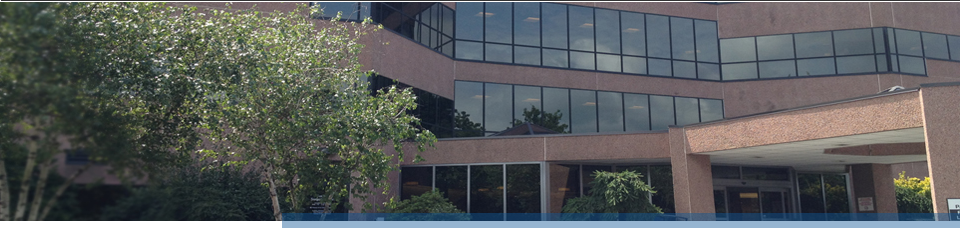
Norwalk Surgery Center,
Norwalk, CT

Norwalk Surgery Center,
Ambulatory Surgery Center,
40 Cross Street, Norwalk
View: Map and Directions
Norwalk Surgery Center Patient Packet
Thank you for choosing Norwalk Surgery Center for yoursurgery.
NORWALK SURGERY CENTER PATIENT PACKET
To help you get ready, this booklet contains important information about your surgical experience. Please take a few minutes to read it carefully.

The Day before Surgery
- One of our nurses will call you before your procedure to confirm your arrival time to the ASC, review your health history and preoperative instructions.
- Eat an early, light dinner the evening before surgery unless instructed otherwise by your physician. Avoid spicy, greasy or heavy foods. It would be helpful to drink extra water during the day.
- Follow the preparation instructions that you receive from your surgeon and the Norwalk ASC nurse.
- Avoid smoking the day before surgery. Smoking irritates your throat and can cause excessive coughing and discomfort.
- Confirm your arrangements for a responsible adult to drive you home. State law requires that patients undergoing anesthesia or intravenous sedation must have an escort to drive them home after surgery.
Information about Anesthesia
On the day of your surgery you will speak to one of ouranesthesiologist who will review your medical history with you and discussanesthesia and pain management options.
There are three types of anesthesia used at Norwalk SurgeryCenter.
- General Anesthesia: Youwill be asleep throughout the entire operation.
- Regional Anesthesia: Youwill receive a mild sedative, but remain awake. You will them receive aninjection in the area of your body undergoing surgery to numb the area. This is also known as a “block”.
- Monitored Anesthesia Care (MAC): You willreceive sedation intravenously while your surgeon provides local anesthetic atthe site of your procedure.
Advanced Directives
The Norwalk SurgeryCenter does not recognize Advances Directives for use in this settingand will use all measures possible to sustain life.
If you have an Advanced Directive please bring a copy withyou, this would include a living will and DNR orders. A copy will be kept with your medical record.In the rare event that you are transferred to the hospital this informationwill be communicated to the appropriate health care providers at the hospital.
Pre-Operative Instructions
Don't eat or drink after midnight the night before your procedure unless your physician has specifically ordered some type of prep for you to take.
Do not chew gum or hard candy since this causes excess saliva and stomach acid that may interfere with your anesthesia.
Do not drink any alcoholic beverages during the day or evening prior to your procedure.
Smokers are advised that smoking on the day of your procedure can interfere with the effectiveness of anesthesia and cause nausea after the procedure.
You will be specifically instructed about any medications you should or should not take prior to your procedure by a nurse; however here are some basic guidelines:
- If you are diabetic and tak eany medication for it, you may be instructed to hold those medications and bring them with you in their original containers.
- If you are taking any medications for high blood pressure, you may be asked to take those medicationsas prescribed with a small sip of water prior to arriving at the Center.
- If you are taking any medications for seizures, it is very important to continue to take them as prescribed. You may take them the morning prior to your procedure with a sip of water.
- If you are taking any medication for your heart, continue to take as prescribed and you may take them the morning of your procedure with a sip of water.
If you are currently taking any blood thinning medications such as aspirin, please discuss the possibility of stopping those medications 14 days prior to your procedure with your physician.
- Bathe prior to your surgery as you usually would; however, do not apply lotions or creams, which may interfere with monitor pads. Wear loose-fitting clothing that will easily go on over any possible dressings and not interfere with possible incision sites.
- You maybrush your teeth, but be careful not to swallow any water or mouthwash.
- Please don't wear makeup and remove all nail polish on fingers and toes (artificial nails do not need to be removed, only the polish). Makeup and polish may interfere with your respiratory and circulation assessments. Mascara may irritate your eyes while under anesthesia.
- Please don't wear any jewelry, including wedding rings, metal hair accessories, and any piercings. Any metal may interfere with the medial equipment being used and interfere with the physician’s ability to perform your procedure. The Surgery Center is not responsible for damaged or lost personal articles.
- Bring cases for your glasses or contact lenses. Glasses and contacts, even extended wear, will need to be removed prior to your procedure.
- Dentures and partial plates will have to be removed before surgery. They will be placed in a denture cup and returned to you after the procedure.
- Bring your insurance card, driver’s license, method for payment, list of medications, and Durable Power of Attorney (if applicable) with you.
- You must have a responsible adult, 18 year of age or older, to accompany you on the day of your procedure and to drive you home. Most patients will receive anesthesia and must have someone available to make decisions for them should an emergency arise. Someone should be available for the physician to speak with immediately after the procedure to discuss the results since you, the patient, may still be under the influence of anesthesia and unable to talk with the physician yourself.
- A responsible adult should also be available to care for you once you are discharged home, since the effects of anesthesia may hinder your ability to completely care for yourself up to 24 hours after the procedure.
- If the person accompanying you must leave the waiting room for any reason, please have them notify the front desk staff.
- We recommend staying in the facility throughout the procedure if you areaccompanying a minor child.
These are general guidelines and may be altered depending on the type of procedure you are scheduled for and your individual health history. These instructions will be reviewed with you during your pre-procedure interview conducted over the phone with a SurgeryCenter nurse. Changes may be made at the time of your pre-assessment call, depending on the medical information collected by the nurse.
After Your Surgery
PACU: Post-Anesthesia Care Unit
After your surgery you will be taken tot he PACU. Our nurses will continue monitoring your vital signs while the anesthesia you received during surgery wears off. You may be asked to dobreathing or leg exercises. You may experience dry mouth, sore throat, blurry vision, or chills. Coughing will be encouraged if appropriate. If you have any pain or soreness report this to your nurse and appropriate pain medication will be provided. Your nurse will ask you to rate your pain on a scale from 0 to 10 in order to determine the appropriate amount of medication to administer. When you are awake and your vital signs are stable you will then be provided with post-operative instructions and discharged from the surgery center.
Discharge from the Surgery Center
Your escort of family member may join you in the PACU just prior to your discharge. They will help you remove your surgical gown and dress in the clothes that you brought with you. They will also listen while your nurse reviews your surgeon’s written post-operative instructions as you still may be drowsy from the anesthesia you received.
If you require crutches, a cane, sling,or other equipment, it will be provided to you at this time. If you already have these items to help you walk, please bring them with you on the day of surgery.

Caring for Children
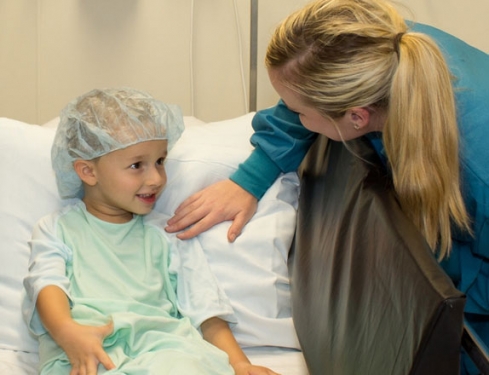
Having a child undergo surgery can be very stressful for both you and your child. We will make every effort to keep you together as much as possible during your visit to Norwalk Surgery Center.The parent will accompany their child to the pre-operative area and will be able to stay with them up until the time they are brought to the operating room. You will be reunited with your child in the Post Anesthesia Care Unit (PACU) as soon as your child is awake. We encourage you to have your child bring his or her favorite toy or blanket as a source of comfort.
We recommend that two adults be available when a child is discharged. One person will act as the driver and the second adult will care for the child on the trip home.
After Your Surgery
Recovering while at Home
Plan to spend a quiet evening at home. You will be tired and your body will need to rest. You may not feel up to your typical activities for several days, so plan to take it easy until you feel back to normal.
You might experience some minor after-effects from the anesthesia such as drowsiness, nausea, muscle aches, sore throat, and occasional dizziness or headache. These effects should disappear in the hours following surgery.
To ensure a faster recovery follow the instructions given to you by your nurse and the written instructions provided by your doctors. In the24 hours following your procedure while you are recovering from anesthesia:
- Do not drive.
- Do not operate machinery.
- Do not drink alcohol.
- Do not make important business or personal decisions.
- Make sure someone is available to help you should any difficulties arise.
Caring for your Incisions
Your procedure may require you to leave the surgery center with a dressing or bandage. You surgeon will inform youwhen it can be removed. Your dressing must be kept clean and dry. It is normal for a small amount of blood or fluid to leak from your incision. However, if excessive drainage occurs, call your doctor immediately. Your post-operative instructions will inform you of when you will be able to shower or take a bath.
Eating and Drinking
You may experience an upset stomach or you may become constipated. This can be caused by the procedure itself, anesthesia or by pain medications. You may not have much of an appetite. It is recommended to start off with liquids and soft foods, such as soup or Jell-O, slowing move on to solid food. Spicy, fatty or rich foods should be avoided during this time. Unless you post-operative instructions advise differently,drink as much liquid (water, juice, ginger ale) as is comfortable.
Resuming Activity
You should refrain from any strenuous activity and heavy lifting until you follow up visit with your doctor and you are told that it is acceptable to resume your normal activities. Follow the post-operative instructions given to you by your doctor. Should you have any questions about these instructions, call your doctor for more information.
Medication
Your post-operative instructions will include instructions for the use of pain medications as well as prescriptions as determined by your doctor. It is important that you do not let your pain become bad before taking the medication. If your pain medication is not working well or if your pain increase, contact your doctor.
Follow-Up Phone Call
A nurse will call you one to two business days after your surgery to check on your progress and discuss any questions you have. If your surgery was performed on a Friday, we will be calling you the following Monday.
It is important to remember to schedule your post-operative visit with your doctor, which is scheduled by contacting his or her office.
You may receive a patient satisfaction survey regarding your surgical experience. Please do not hesitate to offer suggestions, comments or opinions as these will help us improve our service to our patients.
CALL YOUR DOCTOR IMMEDIATELY IF:
- You are sick and cannot stop vomiting
- You have excessive pain which is not relivedby your medication
- You have a large amount of bleeding,draining, or swelling
- You have a temperature above 100oFfor 24 hours
For more urgent/emergency matters: Call 911or go to the nearest emergency room.
Billing Information
A member of our Business Office will contact you to go overyour insurance benefits prior to your surgery. If required, we will obtain authorization from your insurance company. At this time you will be informed ofany applicable copayments and/or deductibles you may be responsible for.
Copayments and deductibles are to be paid on the day of your surgery.
Norwalk Surgery Center will send a bill to your primary and secondary insurance companies. The bill includes charges for Surgery Center services and supplies only.
Your surgeon,anesthesiologist, or pathologist will each bill you separately for their fees.If you have any questions regarding a bill from these providers please contact their offices directly.
Please call our Business Office at 203-546-3377, Monday –Friday 8:30 a.m. – 4:30 p.m. with any questions you might have.